
From running clubs to creative communities, a new generation of influencers is turning online connections into real-world relationships. What does this mean for brands and PR professionals?
A group of runners meeting every week for a shared workout. A creative enthusiast organising local workshops. A content creator encouraging followers to put their phones away and meet in person.
These are examples of a growing phenomenon attracting the attention of brands and communications professionals: IRL influencers.
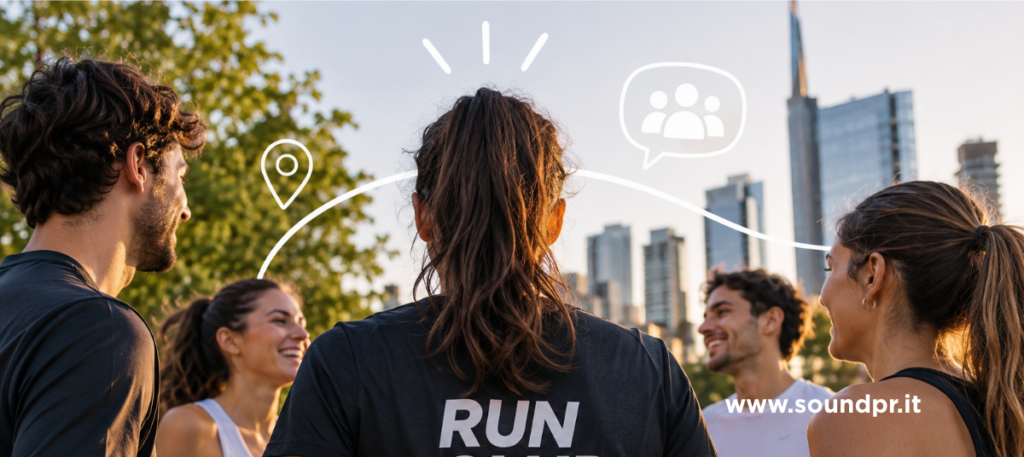
Unlike traditional digital influencers, their impact is not necessarily measured by the size of their social media following, but by their ability to bring people together, create shared experiences and build genuine relationships.
For brands, this opens up new opportunities to engage with audiences. For public relations professionals, it reinforces a familiar principle: visibility may attract attention, but relationships build trust.
From online followers to real-world communities
IRL stands for In Real Life. IRL influencers are individuals who build influence through offline activities and personal connections, often using social media to bring communities together.
They might be running club founders, cultural event organisers or passionate individuals who become trusted voices within their communities.
What distinguishes them from traditional influencers is not necessarily their audience size, but the depth of their relationships. Bringing together 50 people who regularly participate in shared activities can sometimes create more meaningful engagement than reaching thousands of passive followers.
This shift reflects a growing interest in authentic experiences and a sense of belonging. Social media saturation, combined with the proliferation of AI-generated content, is also making tangible human interactions particularly valuable.
Importantly, this is not about replacing digital platforms. Social media remains essential for connecting people and organising activities. The difference is that online engagement becomes the starting point for relationships that continue beyond the screen.
How brands can become part of communities
For brands, IRL influencers offer an opportunity to move beyond sponsored content and become active participants in experiences that matter to their audiences.
A sports brand might collaborate with a running club to organise training sessions and product trials. A lifestyle brand could support creative workshops, while a technology company might partner with respected industry professionals to facilitate discussions and knowledge-sharing events.
These initiatives bring influencer marketing, experiential marketing and community engagement closer together.
However, successful collaborations require more than simply identifying an influential community leader. They depend on a genuine alignment between the brand’s values, the influencer’s credibility and the community’s interests.
The objective should not be to buy access to a community, but to contribute something genuinely valuable to its members.
When this happens, brand engagement becomes a natural part of the experience rather than an intrusive promotional activity.
Why IRL influence matters for public relations
For PR professionals, the rise of IRL influencers is particularly interesting because it brings several communication disciplines together: influencer relations, community engagement, brand advocacy and experiential storytelling.
It also highlights three fundamental opportunities for public relations.
Building credibility through trusted relationships. Community leaders earn influence through consistent interaction and shared interests. Their recommendations carry weight because they are rooted in personal relationships rather than purely commercial visibility.
Creating stories worth sharing. Meaningful experiences generate conversations, personal testimonials and organic content. These stories can extend beyond the original event, supporting brand storytelling and earned media opportunities.
Turning engagement into advocacy. People who feel genuinely connected to a community are more likely to share positive experiences and recommend brands they believe in.
This also challenges the way influence is measured: follower counts, impressions and engagement rates remain relevant, but IRL initiatives require additional indicators, including actual attendance, repeat participation, quality of interactions, organic word-of-mouth and impact on brand reputation.
A smaller, highly engaged community may generate greater long-term value than a much larger but less involved audience.
For PR agencies, the strategic challenge is therefore not simply to identify influencers with the right demographic profile, but to understand who genuinely holds influence within a community, what its members value and how brands can contribute without compromising its authenticity.
The future of influence is about meaningful connections
IRL influencers do not signal the end of digital influencer marketing. Instead, they expand our understanding of what influence really means.
Technology has made it easier than ever to connect with audiences. The real opportunity now lies in transforming those connections into meaningful relationships and shared experiences.
For PR professionals, this is hardly a new concept. Listening to communities, identifying credible voices, encouraging dialogue and building trust have always been at the heart of effective public relations.
The platforms and people shaping influence may be changing, but the underlying principle remains the same: the most valuable relationships are not necessarily those that reach the largest audience, but those that inspire genuine engagement.
—
This blog post is a shorter, English version of a post that originally appeared in Italian in the blog series of Sound PR here.